Screwworm ban forces Stampede rodeo competitors to find new horses
Canadian Food Inspection Agency blocks Texas livestock over first screwworm case since 1966; barrel racers and ropers facing last-minute changes for July rodeo.
The day's top stories, food & events — every morning at 7. Unsubscribe anytime.
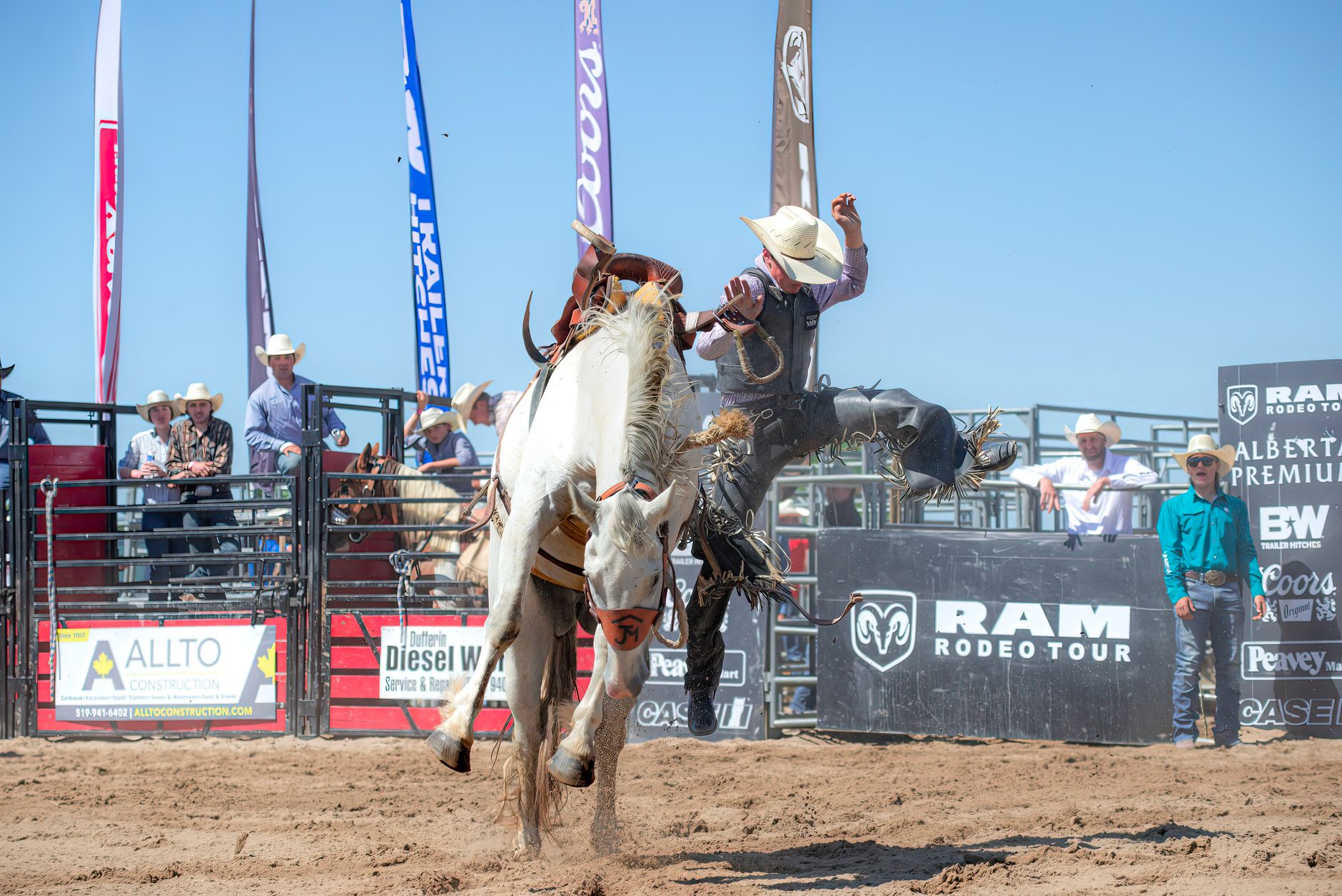
A temporary Canadian ban on Texas livestock has thrown a wrench into plans for some competitors at the Calgary Stampede, forcing cowboys and barrel racers to scramble for replacement horses just weeks before the rodeo.
The Canadian Food Inspection Agency implemented the ban this week after confirming the first case of New World screwworm fly larvae in a Texas calf since 1966. Animals from Texas or present in the state within 21 days of a border crossing are now prohibited from entering Canada.
The Stampede rodeo, which runs July 3-12, carries a total prize purse of $2.17 million and ranks among North America's most lucrative competitions. Timed events like steer wrestling, barrel racing, and tie-down roping typically draw competitors who rely on their own horses.
Scott Dorencamp, director of circuits and rodeo administration for the Professional Rodeo Cowboys Association in Colorado Springs, said many competitors will likely keep their horses out of Texas to avoid the ban. But others may not have that option.
"If anything, they will probably lease a horse from somebody if they need to," Dorencamp said. "You'd be looking at all the timed events. You would like to have your own horse, but in a rodeo like Calgary, you're going to get on the best one available that someone will let you on. If you're fortunate enough to go to Calgary, you're not going to want to miss it."
Spruce Meadows, hosting show jumping events through September, said the ban poses no threat to its operations. "Our horses rarely, if ever, transit through Texas or come from Texas," said Ian Allison, senior vice-president of sport and media services. Most U.S. show horses arrive from the coasts, and all incoming horses undergo inspection and health screening before competing.