B.C. Premier Eby pushes back on tariffs as province's business community braces for impact
Eby urged PM Carney to go further with non-tariff measures; B.C. Chamber of Commerce warns 11,200 jobs could be endangered as tariffs hit harder than previous rounds.
The day's top stories, food & events — every morning at 7. Unsubscribe anytime.
B.C. Premier David Eby escalated his stance on tariffs Tuesday, calling on Prime Minister Mark Carney to impose non-tariff measures alongside the counter-tariff package taking effect Sept. 8.
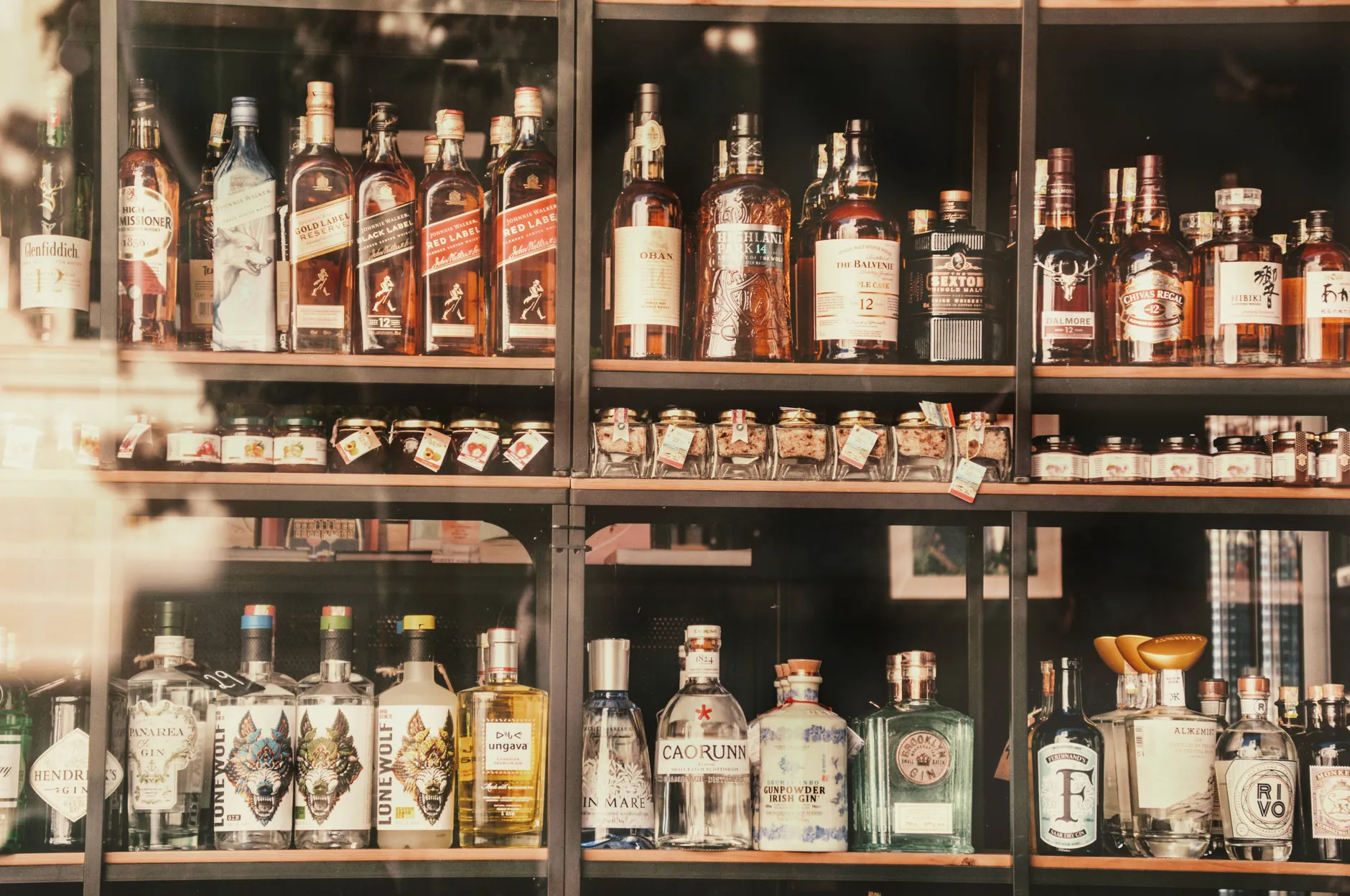
Speaking at a Vancouver liquor store—a nod to B.C.'s policy of keeping U.S. alcohol products off shelves—Eby said the only way to handle "a thug and a bully" is to stand up. He urged Carney to consider cutting U.S. access to thermal coal export terminals at Roberts Bank, a proposal previously floated by former B.C. Conservative leader John Rustad. "I think that this is something that the federal government should be looking at as well," Eby said.
Meanwhile, B.C.'s business community is grappling with the escalating trade dispute. The American tariffs—50 per cent on roughly $30 billion in Canadian imports—took effect last Saturday. Canada's counter-tariffs, ranging from 15 to 50 per cent on U.S. goods, are set for Sept. 8.
Jen Riley, president of the B.C. Chamber of Commerce, called the latest round "a body blow" for the province. Roughly 14 per cent of B.C.'s total exports are affected, and studies estimate 11,200 jobs could be endangered—making B.C. the hardest-hit province per capita. "B.C. businesses have been shouldering a burden for years," Riley said. "Some of our major sectors—I'm going to call out forestry—are already in turmoil, and adding another round is just putting us in a more difficult position."
The impact flows both directions. Direct hits come from mill closures; downstream effects ripple to trucking companies in Delta carrying forest products. Agricultural machinery, which B.C. businesses struggle to source locally, adds another pressure point.
Ryan Mitton of the Canadian Federation of Independent Businesses worries aid programs will exclude smaller operators through employee or revenue minimums, and that application paperwork will bury owners the way COVID supports did. "What we don't want to see is those COVID-style mistakes," he said, "where we saw small businesses buried in paperwork, needing to hire accountants to complete their applications, and taking weeks to get approved."
Riley is scheduled to meet with provincial and federal governments to push for targeted support for affected industries and long-term relief rather than short-term fixes.
What is the feasibility of restricting U.S. access to Roberts Bank thermal coal terminals, and what would be the economic consequences for B.C.?
What are the specific eligibility criteria and timeline for the $7.5 billion federal support package?
We'll update this story as answers emerge.
The facts
When do Canada's counter-tariffs take effect?
Canada's counter-tariffs, ranging from 15 to 50 per cent on U.S. goods, take effect on September 8, 2026.
How many B.C. jobs could be endangered by the tariffs?
Studies estimate 11,200 jobs in British Columbia could be endangered, making the province the hardest-hit per capita in Canada.
What percentage of B.C.'s exports are affected by the tariffs?
Roughly 14 per cent of B.C.'s total exports are affected by the latest round of tariffs.