Multiple meteor showers and 'fireballs' peak over Metro Vancouver this November
The Southern Taurids peak Nov. 4 to 5 and the Northern Taurids on Nov. 12, with the Leonids expected around Nov. 18.
The day's top stories, food & events — every morning at 7. Unsubscribe anytime.
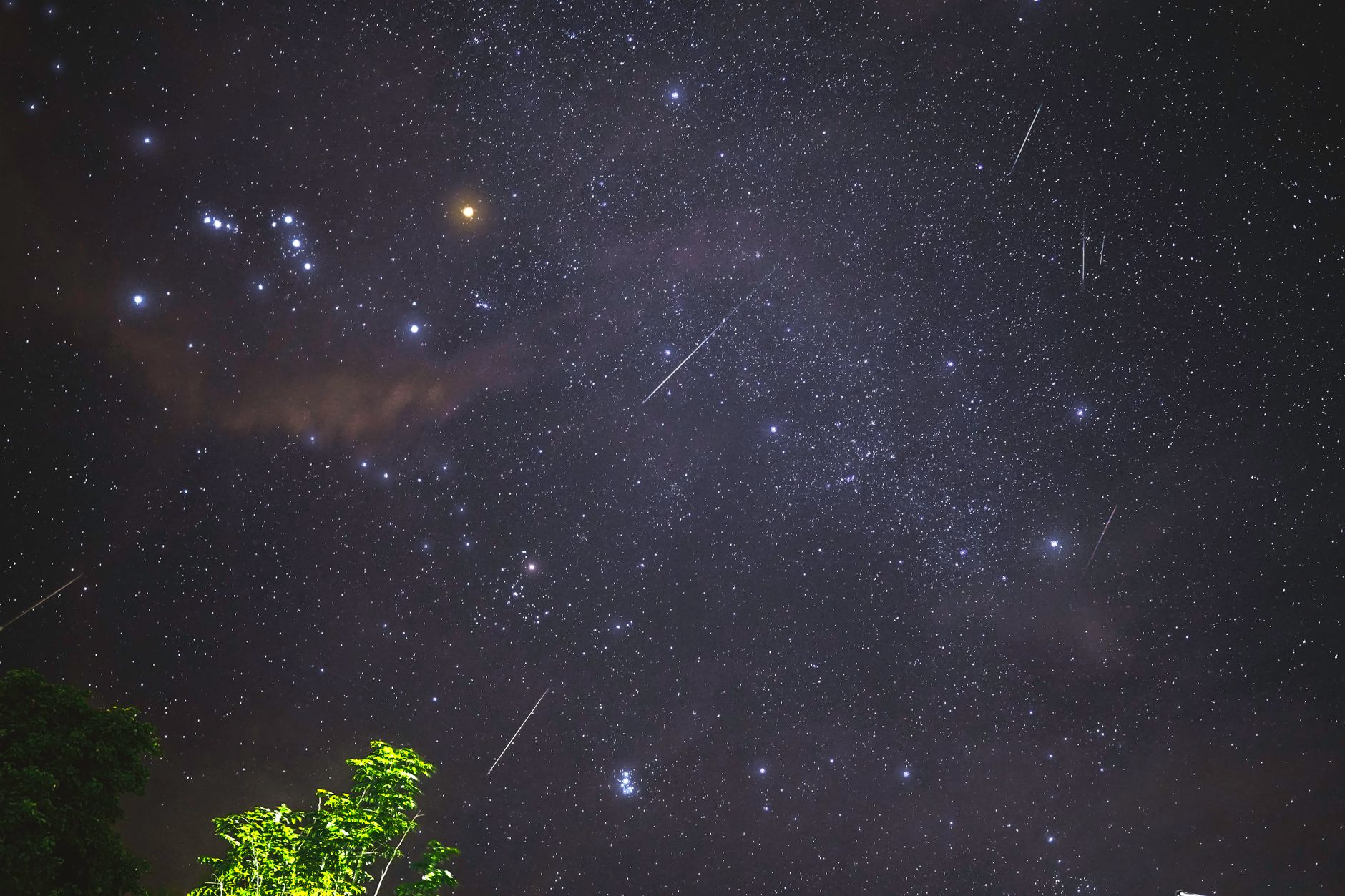
Stargazers in Metro Vancouver have several meteor showers to watch in November. The Orionid shower peaked on Oct. 21 to 22 and remains active until Nov. 7. The Northern Taurids are producing shooting stars now and peak Nov. 12, continuing until about Dec. 10. The Southern Taurids are a two-month shower with a double peak, the first in October and the second on Nov. 4 to 5. The second peak is not especially productive, producing around five shooting stars an hour under ideal conditions, but it is known for fireballs.
NASA defines a fireball as a meteor significantly brighter than average, with larger explosions of light and colour that persist longer than a normal streak. The American Meteorological Society compares their brightness to Venus in the morning or evening sky. Some observers report vivid colours, and sonic booms and electrophonic sounds are very rarely reported. Southern Taurid meteors enter the atmosphere at about 17 miles per second (27 km per second), according to Livescience.com, and their slow speed means they can be visible for longer and leave glowing trails.
Rosanna Tilbrook, an astronomer at the H.R. MacMillan Space Centre, told Vancouver Is Awesome that the best November shower is the Leonids. The Leonids are active from Nov. 6 to 30 and peak on the night of Nov. 16 to 17. They can produce around 15 meteors per hour under ideal conditions, with the best viewing in dawn skies after the Moon has set. They can produce bright meteors with persistent trains, called earth grazers, that streak close to the horizon.
For viewing, the source suggests getting away from city lights, using a red filter over a flashlight, dressing warmly, reclining on a blanket, bringing a hot drink, and being patient.
Correction, Nov. 2, 2026: An earlier version gave the Orionid peak as Oct. 25 and quoted an activity window for the Leonids that ran backwards. The Orionids peaked Oct. 21 to 22; the Leonids are active Nov. 6 to 30 and peak Nov. 16 to 17. Hourly rates have been corrected to the American Meteor Society's published figures.