Canada retaliates with 50% tariffs on pipeline steel, effective Sept. 8
Ottawa counters U.S. duties on $27.6 billion in American goods, targeting steel, aluminum, dairy, and appliances. Alberta exports face $4.8 billion exposure.
The day's top stories, food & events — every morning at 7. Unsubscribe anytime.
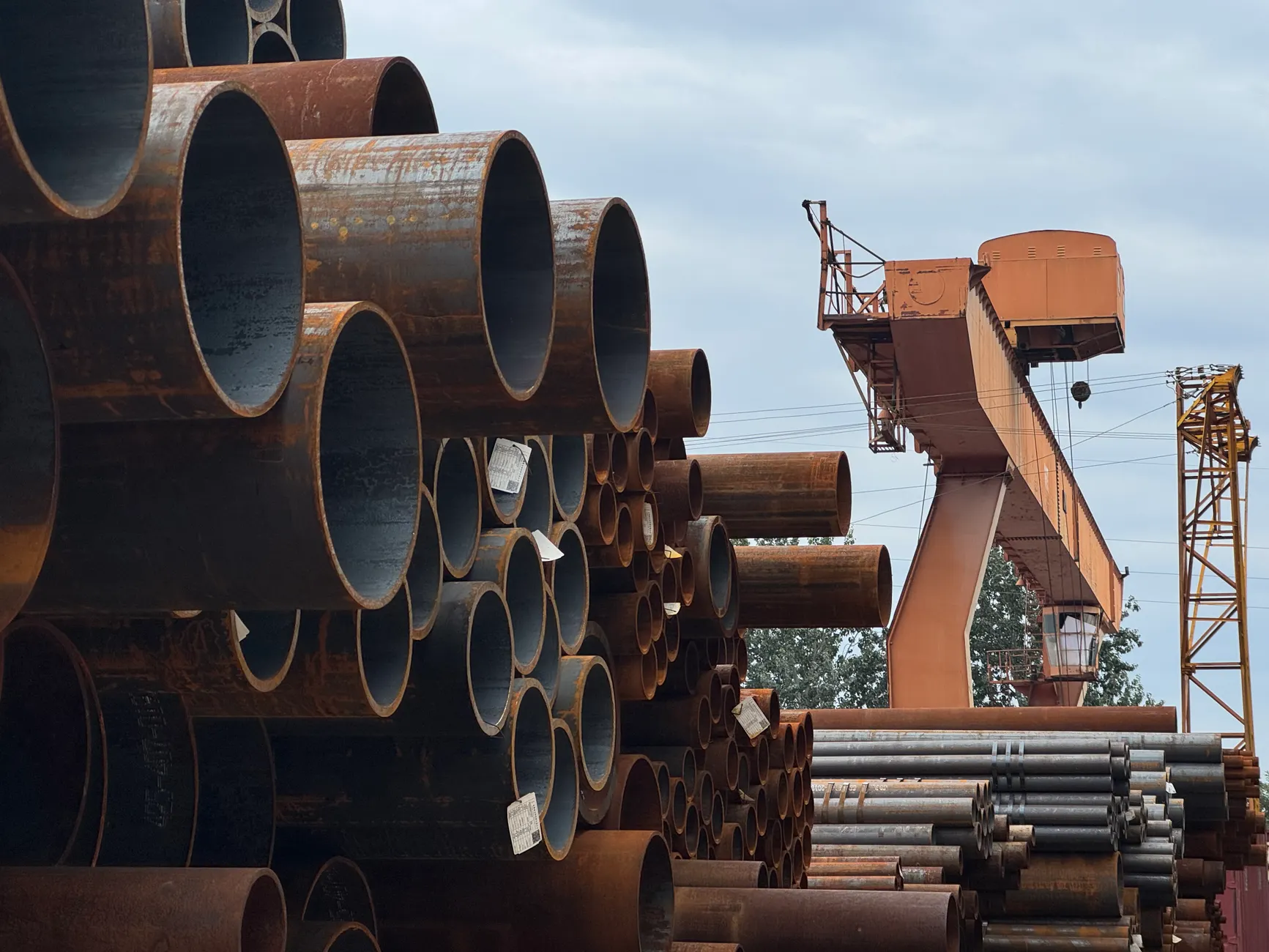
Canada will impose 50 percent tariffs on oil and gas pipeline steel from the United States starting September 8, matching duties Washington already enforced. The countermeasures cover $27.6 billion in American imports, including doubled tariffs on steel and aluminum alongside new levies on dairy, appliances, agricultural equipment, pulp, paper, and electronics.
Finance Minister François-Philippe Champagne announced the full list Tuesday at a news conference. The move comes after the U.S. enforced tariffs over the weekend, prompting Canada's retaliation. "Those tariffs will have real consequences for Canadian workers, businesses and communities across our nation," Champagne said.
Alberta faces particular exposure. Only 2 percent of Alberta's pipeline steel currently comes from the United States; South Korea supplies close to 40 percent of Canada's imports. Canada bought $137.3 million worth of oil and gas line pipe from South Korea over the past year, according to Statistics Canada, compared to only $8.1 million from the United States. Richard Masson, former CEO of the Alberta Petroleum Marketing Commission, said the tariffs don't change much for pipeline projects currently under construction, but pose complications for proposed natural gas infrastructure to the West Coast.
For some businesses, the levies create a bind. Derek Friesen, owner of Manitoba farm-equipment manufacturer PhiBer Manufacturing, imports tractor frames from Iowa that will face new tariffs. He expects the sticker price will rise enough to make his products uneconomical for farmers. "Farms can't absorb another big increase like that," Friesen said.
Other analysts offered a broader view. Bradley Saunders, economist at Capital Economics, said the government took a targeted approach, selecting goods with readily available domestic alternatives to minimize hits on Canadian consumers and industry. Economist Trevor Tombe at the University of Calgary noted nearly three-quarters of the counter-tariffed items are industrial supplies or manufacturing inputs — costs felt more by businesses than consumers.
Premier Danielle Smith remains a holdout among provincial leaders on the counter-tariff strategy, calling instead for Ottawa to resume negotiations with the United States before September 8. Her government is reviewing whether provincial business relief is necessary beyond federal support measures.
How much will pipeline projects cost if the tariffs remain in place beyond September 8?
Will the federal business supports offset the tariff impacts for Alberta manufacturers?
We'll update this story as answers emerge.
By the numbers
What percentage tariff is Canada imposing on U.S. pipeline steel?
Canada will impose 50 percent tariffs on oil and gas pipeline steel from the United States starting September 8, 2026.
How much in American imports are covered by Canada's counter-tariffs?
Canada's countermeasures cover $27.6 billion in American imports, including steel, aluminum, dairy, appliances, agricultural equipment, pulp, paper, and electronics.
Where does most of Canada's pipeline steel currently come from?
South Korea supplies close to 40 percent of Canada's pipeline steel imports, compared to only 2 percent from the United States.
How much exposure do Alberta exports face from Canada's tariffs?
Alberta exports face $4.8 billion exposure from the tariffs.