Climate change pushing ticks deeper into Canadian range
Disease-carrying ticks advancing northward at 35-55 km/year. Lyme disease cases have jumped from 144 in 2009 to over 7,100 in 2025.
The day's top stories, food & events — every morning at 7. Unsubscribe anytime.
Climate change is pushing ticks into new habitats across southern Canada at an alarming rate, and experts say the blood-sucking pests will keep advancing regardless.
Disease-carrying ticks were barely on Canada's radar until the 1990s, but scientists now report various species are travelling north from the United States at a rate of 35 to 55 kilometres per year. Parts of southern Canada that have never seen ticks will likely encounter them over the coming decade.
"Where the vast majority of the Canadian population lives, which is near the American border, are all in areas that are already climatically suitable for tick populations," said Katie Clow, an assistant professor in the department of population medicine at the University of Guelph. "Likely, the invasion process is just going to continue to sort of fill that ecological niche."
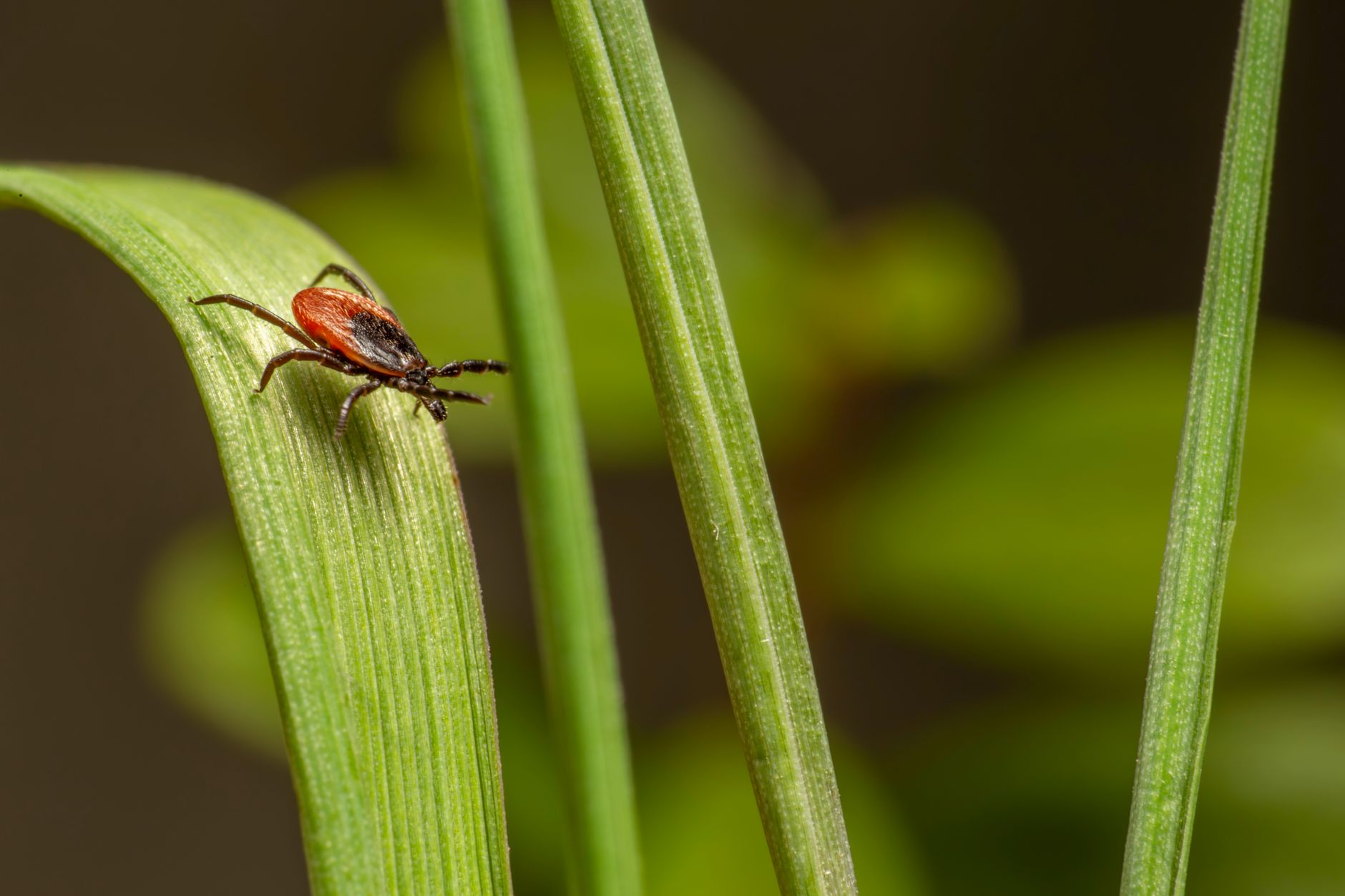
Blacklegged ticks, or deer ticks, transmit Lyme disease to humans. First appearing in southern Ontario in 1989, they have since established in every province. They've also been found in Alberta and Saskatchewan, though the Prairies more commonly see dog ticks, which are less concerning but can, in very rare cases, cause Rocky Mountain spotted fever.
Canada now has more than 40 species of ticks, including several that pose serious health risks. The lone star tick, common in the U.S. and found in small numbers across Canada, can cause humans to develop a severe red meat allergy. The Asian longhorned tick, which causes serious disease in cattle, has been creeping northward in the U.S., stirring fears among Canadian farmers.
Lyme disease cases have jumped dramatically. The Public Health Agency of Canada tracked 144 cases in 2009 and preliminary count 7,105 cases in 2025 — though experts say those numbers are likely an undercount. Saskatchewan endured a "super-abundant" year for ticks this spring, and Montreal logged record-high Lyme disease cases.
Blacklegged ticks are most dangerous in their nymph, or "teenage," stage, when they're smaller and harder to see. That stage peaks in June and early July.