Philippine earthquake kills 37, displaces 20,000
A 7.8-magnitude quake struck southern Mindanao Monday, collapsing buildings and triggering landslides in the country's strongest earthquake in 50 years.
The day's top stories, food & events — every morning at 7. Unsubscribe anytime.
Rescuers searched ruined buildings across the southern Philippines on Tuesday, one day after a 7.8-magnitude earthquake killed at least 37 people and displaced more than 20,000. The quake struck Monday morning off Mindanao, the country's second most populous island, injuring nearly 500 and leaving a trail of collapsed structures and landslides.
At least 13 people died in General Santos, a coastal city of 700,000 known as the country's tuna capital, where collapsed buildings and falling debris claimed lives. Another 18 died in Sarangani province, mostly in the mountainside town of Glan, buried by a landslide that destroyed houses. Additional deaths were reported in South Cotabato, Davao Occidental, and on Balut Island.
The earthquake centered 33 kilometers below the surface about 32 kilometers southwest of Maasim, triggered by movement in the Cotabato Trench—the same undersea depression that caused an 8.1-magnitude quake in 1976 that killed approximately 8,000 people and generated tsunami waves 8 to 10 meters high.
Waves up to 1.4 meters above tide level were measured across the region Monday, but only minor tsunami damage was reported: six shanties on stilts in a coastal village. Smaller waves washed ashore in Indonesia, Palau, and southern Japan.
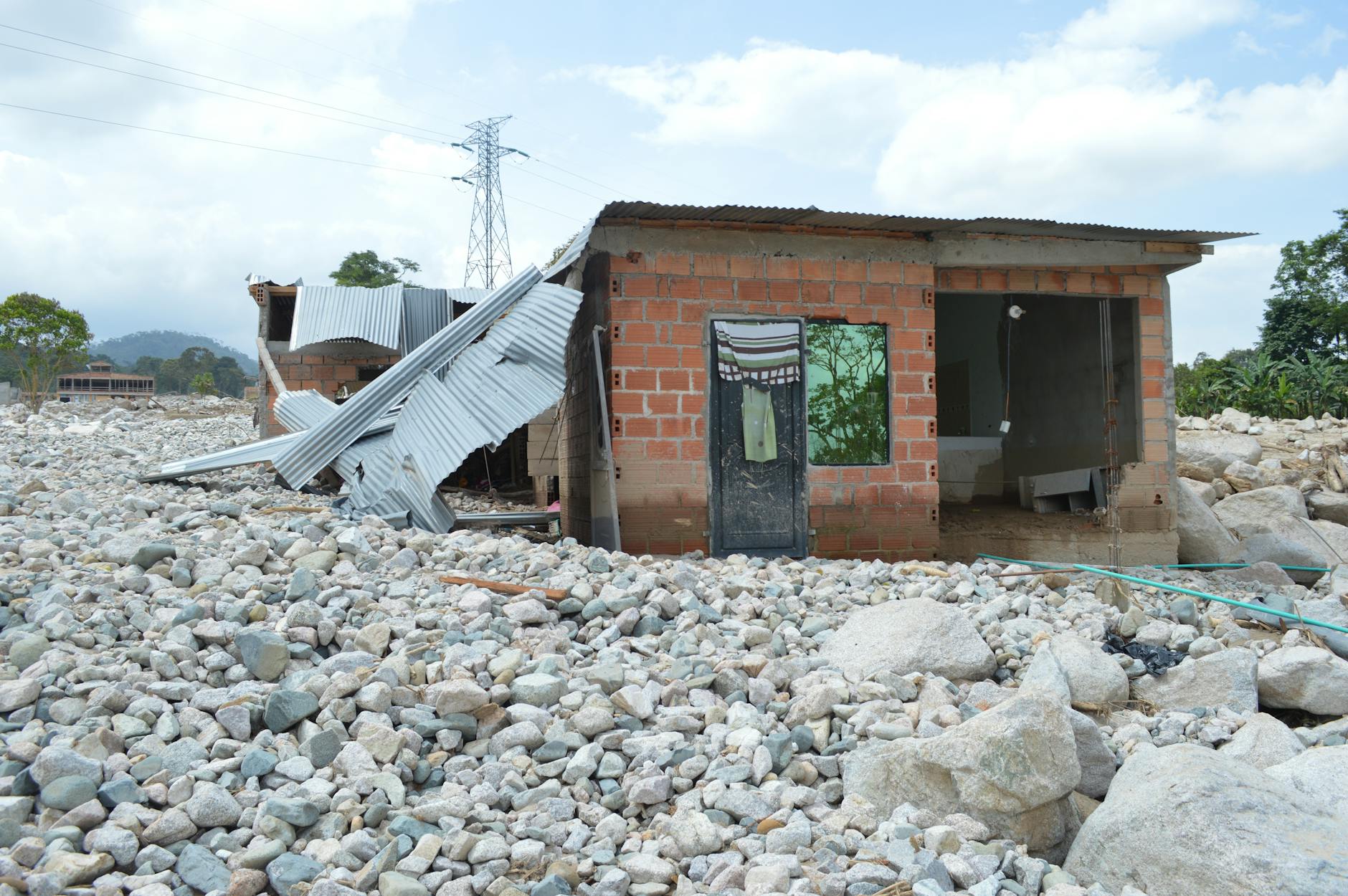
About 2,000 houses and 117 government buildings were damaged. The international airport in General Santos remains closed, forcing cancellation of 63 domestic flights except humanitarian missions. About 6,000 public school buildings in quake-hit provinces must be assessed before classes can resume. Officials warned that buildings with cracks could collapse during aftershocks, some of them dangerously powerful.