Saskatchewan hit by rare strong tornado this week
A twister in the Oxbow area was rated EF3—a strong tornado with winds between 225-265 km/h. Saskatchewan rarely experiences tornadoes of this intensity.
The day's top stories, food & events — every morning at 7. Unsubscribe anytime.
A tornado that touched down in southeastern Saskatchewan this week had an intensity rarely documented in the province.
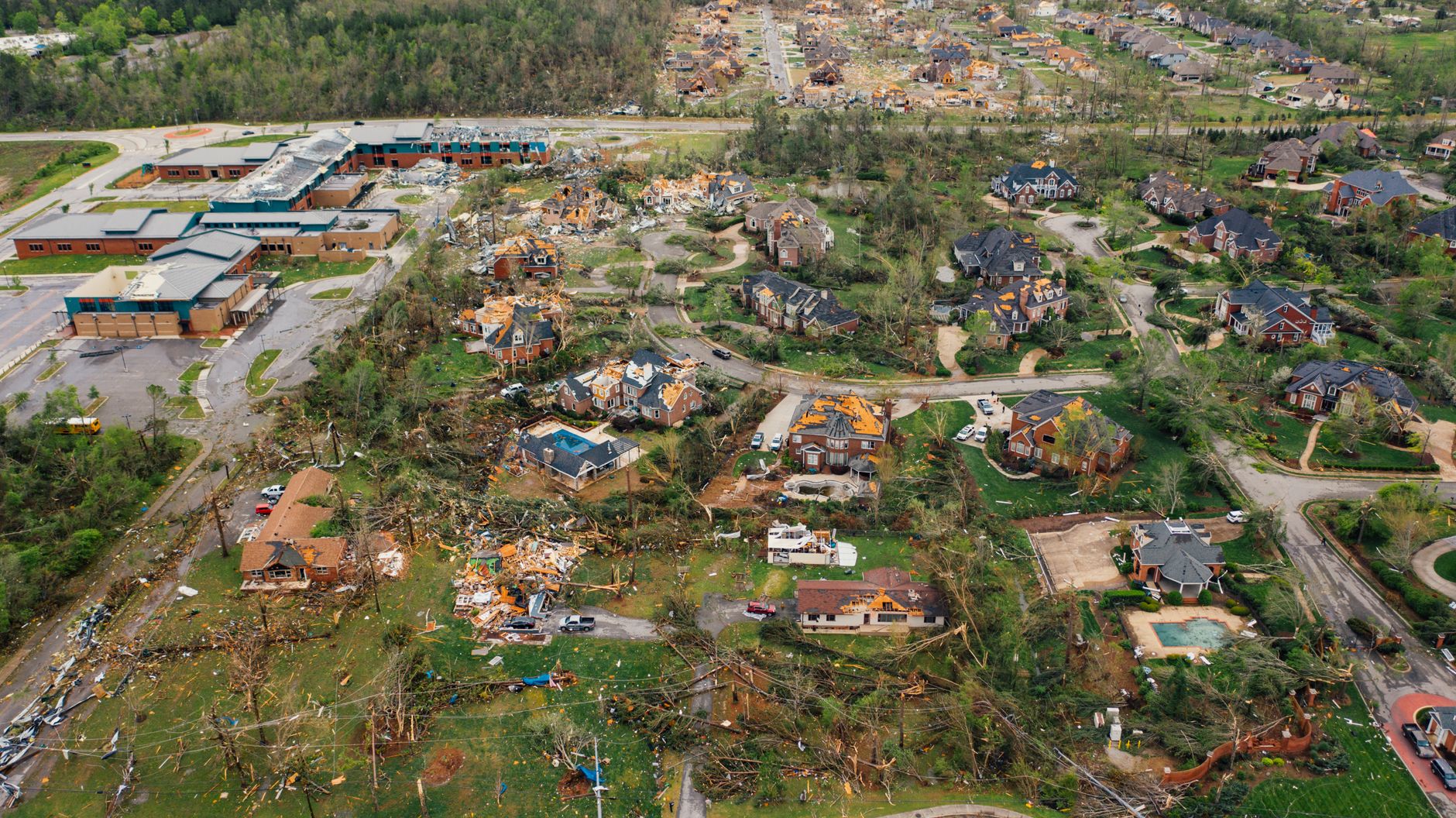
Environment and Climate Change Canada gave the twister in the Northgate/Oxbow/Alameda area a preliminary rating of EF3, considered a "strong" tornado with wind speeds between 225 and 265 km/h. Such winds cause major damage—roofs come off houses, walls collapse, and large stands of forest are completely destroyed.
The tornado is believed to have been on the ground for 20 to 26 minutes and may have traveled about 40 kilometers or more, potentially crossing into the U.S. David Sills, director of the Northern Tornadoes Project at Western University, said the investigation will be extensive given the damage over a large area.
Despite its reputation as part of "tornado alley," Saskatchewan rarely gets tornadoes this strong. There have been only five F3 or EF3 tornadoes in Saskatchewan since 1980. The last one occurred on July 2, 2010, at Kawacatoose First Nation, causing an estimated $13.2 million in damage and destroying five homes.
Sills noted that Saskatchewan's vast size means some stronger tornadoes may strike uninhabited areas and go unrated. "I'm imagining we probably get some tornadoes that may be stronger that just don't hit anything," he said. "And we never really know what the rating is because you need the damage to get the rating."
Environment Canada reports that over 90 per cent of tornadoes in Canada are rated as "weak"—EF0 or EF1, with wind speeds between 90 and 175 km/h. The strongest tornadoes, EF4s and EF5s, are rarely recorded in Canada. Even in completely destroyed homes, people can survive if they shelter away from doors, windows, or in basements.