Four grizzly bears killed through Alberta's problem wildlife program
Three incidents in 2026 near Pincher Creek as livestock predation rises; province invests $700K over five years in deterrent measures like electric fencing.
The day's top stories, food & events — every morning at 7. Unsubscribe anytime.
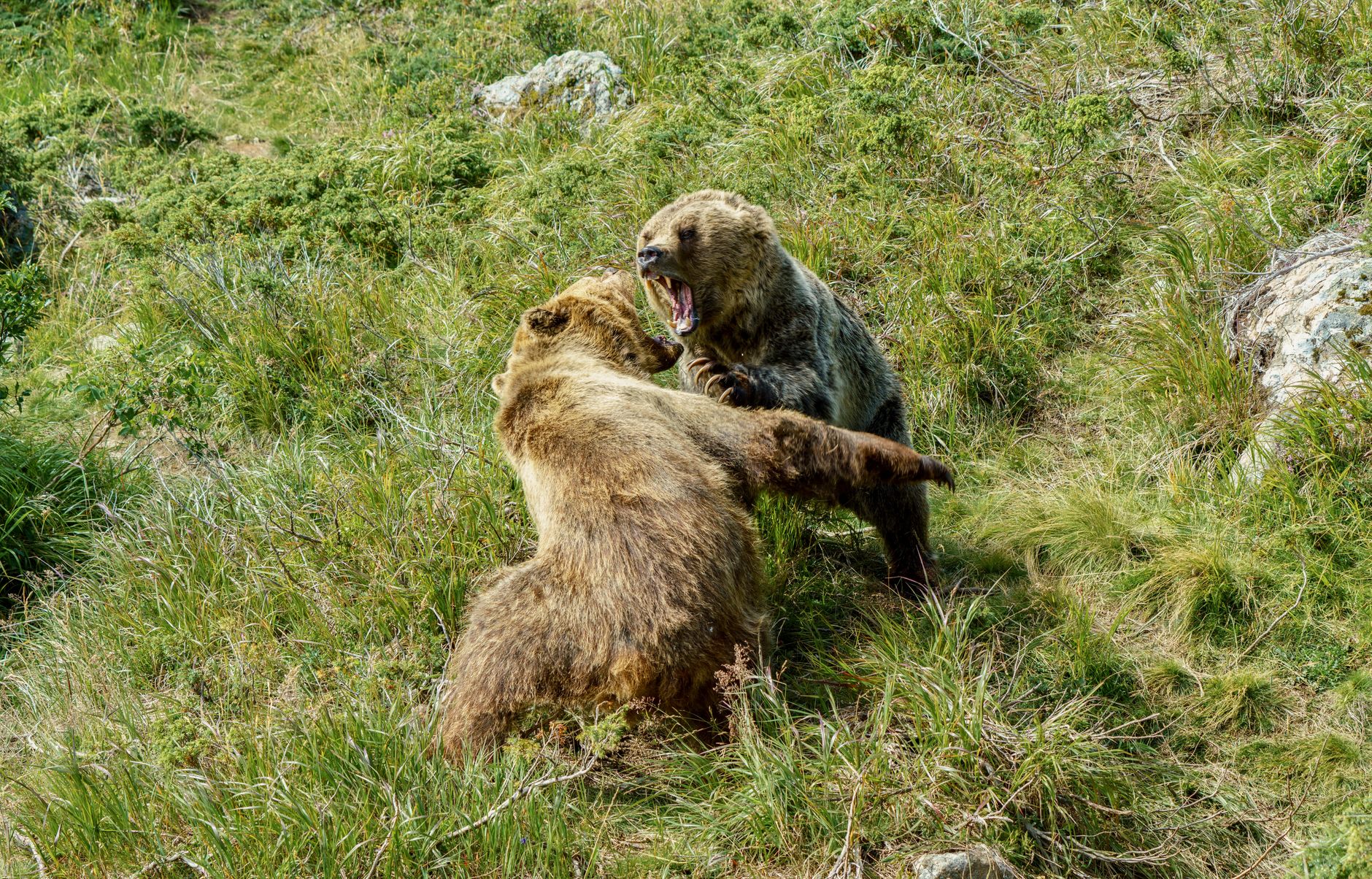
Four grizzly bears have been killed by authorized hunters since Alberta launched the Wildlife Management Responder Network in June 2024, with three of those deaths occurring already in 2026.
All four bears had either killed or been "involved in conflict with" livestock. The most recent lethal removal happened June 8 south of Pincher Creek, where a grizzly had confirmed killed several cattle.
Alberta Fish and Wildlife responded to over 60 complaints involving confirmed grizzly killings of livestock in 2025. The three most recent incidents cluster in the Pincher Creek area of southwestern Alberta — research suggests it has the highest grizzly bear population density in the province.
Responders from the province's pool of qualified hunters are only sent "as a last resort," according to the Department of Forestry and Parks. The agency will not authorize removal of bears that have attacked humans or demonstrated predatory behaviour toward people.
Jeff Bectell, co-ordinator of the Waterton Biosphere Reserve's Carnivores and Communities Program, said grizzly sightings are rising. "The farmers and ranchers are seeing more bears and they're seeing them in more areas," he said. "The population appears to be expanding eastward."
For small livestock producers, the impact can be severe. "Sometimes we have somebody that has 15 sheep, and a grizzly kills five or 10 of them," Bectell said. "So for small producers, it can be a big deal, and for big producers, it can be a big deal."
Bectell said lethal control has a place in wildlife management but should not be the only tool. The province announced in 2024 it would invest $700,000 over five years to help keep large carnivores away from rural properties in southwestern Alberta, including setting up electric fencing, upgrading grain bins, and removing dead stock.
However, Bectell noted that the massive amount of livestock and vast landscape make comprehensive fencing impractical — and electric fences also restrict wildlife movement. In areas with multiple bears where only some prey on livestock, removing the specific offending animal may be the best solution, especially when paired with other management tools. But determining exactly which bear is the culprit can be difficult.